Duct Cleaning
Duct Cleaning That Feels Like a Fresh Start
If your home smells dusty, rooms heat unevenly, or allergies feel worse indoors, your vents may be holding more than you think. This guide explains duct cleaning in plain words, with real signs, what the process looks like, and how to avoid common mistakes. You’ll also learn how air duct cleaning can support a calmer, cleaner home—without stress or confusion.

What duct cleaning really means (in simple words)
Duct cleaning is the process of removing dust, lint, and buildup from the air pathways that carry heated or cooled air through your home. Think of your ductwork like roads inside the walls. When those roads collect debris, airflow can drop and air can pick up odors. Duct cleaning does not mean spraying strong chemicals or covering smell with perfume. It means a careful, tool-based cleanup that targets the inside of vents, the main trunk lines, and the parts that push air through the system. When done right, it feels like your home “breathes” easier. Many families notice less dust settling on surfaces and fewer musty smells. The goal is simple: cleaner paths, smoother airflow, and a fresher indoor feel.
Why air duct cleaning can be a smart home upgrade
Air duct cleaning can be most helpful when your system has real buildup, not just a little normal dust. Homes with pets, recent remodeling, or older ductwork often collect more debris. If you see dust puffing from vents, or if rooms never feel evenly warm or cool, clogged pathways may be part of the problem. Another common reason is indoor comfort. When airflow is smoother, many people feel the home temperature is more stable. Also, odors can hide inside duct lines, especially after water damage, smoke exposure, or long periods of closed windows. Air duct cleaning is not magic, but it can remove what is physically sitting inside the system. That is why it often feels like a “reset” for the indoor environment.
Top signs you might need duct cleaning soon
Duct cleaning is worth considering when you see clear clues, not just because someone says you “must” do it. Look for thick dust lines around vent edges, or dust that returns quickly after cleaning your home. Pay attention to smell too. A stale, musty, or “old sock” odor that starts when the system runs can point to buildup in vents. Another sign is airflow. If one room feels weak while others blast air, the system may be restricted in certain paths. You might also notice more sneezing indoors, especially during system run times. In some homes, you can actually see debris with a flashlight by removing a vent cover. If you find clumps of dust, lint, or pet hair sitting inside, duct cleaning may help you get ahead of the problem.
What happens during a professional air duct cleaning
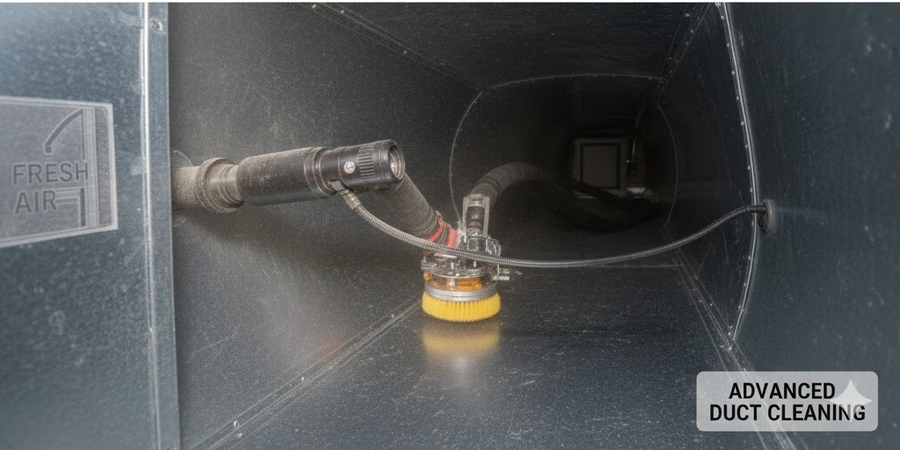
A good air duct cleaning service should explain the plan before they start. Most pros begin with a quick inspection, then protect floors and nearby furniture. They connect a strong vacuum to the main line to pull loosened debris out of the system. Next, they use rotating brushes or air tools to break up buildup in each run. They may clean supply vents, return vents, and sometimes the blower area if accessible. The key is controlled suction while tools loosen the dirt. This prevents dust from blasting into your rooms. A trustworthy team will show you what they found and confirm the vents are re-sealed properly. If you want air duct cleaning services near me, choose a provider that focuses on careful work, not fast “in-and-out” promises.
Air duct cleaning near me: how to pick a team you can trust
When you search air duct cleaning near me, it is easy to get overwhelmed. Use simple checkpoints instead. First, ask what their process includes: supply lines, return lines, and a strong vacuum setup. Second, ask how they protect your home from dust and scuffs. Third, ask for a clear price range based on home size and vent count. A solid air duct cleaning service near me should not feel pushy or secretive. Watch out for “too good to be true” pricing that turns into surprise add-ons. A trustworthy provider will talk calmly, explain what they can and cannot fix, and give you a realistic outcome. That honest conversation matters more than fancy words.
How often should duct cleaning be done?
There is no perfect schedule for every home. Duct cleaning depends on living style, pets, filters, and the age of the system. Some homes do fine for years with only good filter changes and routine vacuuming. Others need help sooner, especially if there was remodeling, water issues, or a long period of neglected maintenance. A simple rule: if you do not see heavy buildup and airflow feels strong, you may not need it yet. But if dust returns fast, smells start when the system runs, or vents show clear debris, duct cleaning can be a practical choice. Think of it like deep-cleaning a couch. You do not do it every week, but when it’s time, it makes a big difference.
Dryer safety matters: dryer duct cleaning and vent cleanup
Dryer duct cleaning is about safety and performance. Lint is highly flammable, and it can build up fast inside the path that carries hot air out of your dryer. When that path narrows, clothes take longer to dry and the dryer may run hotter than it should. Dryer vent duct cleaning focuses on the full route: the short connection behind the dryer, the main duct, and the outside exit. If you want a simple win, start here. Many people notice shorter dry times after dryer duct cleaning. For busy homes, dryer air duct cleaning once a year can be a smart habit. You do not need to fear the dryer. You just need to keep its airflow clear and steady.
What you can do before booking air duct cleaning services
Before you hire air duct cleaning services, do a quick home check. Replace your filter with the correct size and fit. A loose filter lets dust sneak around it. Vacuum vents and the area around returns. If you can safely remove a vent cover, wipe the first few inches inside. This does not replace duct cleaning, but it helps you see what’s going on. Also check the dryer exit outside. If it barely blows air, your dryer vent path may be restricted. These simple steps help you choose the right service. They also help you spot providers who try to sell you something you do not need. Good service should match your actual situation.
What results are realistic (and what is not)
The best results of duct cleaning are practical, not magical. Many people report less visible dust near vents, fewer stale odors, and better airflow in rooms that felt weak. If your system had heavy buildup, the change can feel dramatic. But duct cleaning cannot fix a broken heater, stop pollen from entering when doors open, or solve every allergy trigger. It also cannot “seal” leaks unless the provider is doing separate repair work. A good mindset is simple: if debris is inside the ducts, removing it can help. If debris is not the main issue, other upgrades may matter more, like better filters or balancing airflow. Honest expectations keep you happy.
Complete detailing table: services, benefits, timing, and what to watch
| Service Type | Best For | What You May Notice | Good Time to Do It | Smart Caution |
|---|---|---|---|---|
| Duct cleaning | Homes with visible buildup, odors, weak airflow | Less dust near vents, smoother air movement | After remodeling, after long neglect, when signs show | Avoid rushed “blow-and-go” jobs without strong vacuum control |
| Air duct cleaning | Whole-system refresh for supply + return lines | Cleaner feel when the system runs, fewer stale smells | When vents show debris or dust returns very fast | Ask what areas are included so nothing important is skipped |
| Air duct cleaning service | People who want a guided, full process | Clear steps, cleaner pathways, calmer indoor comfort | When you want professional tools and safe dust control | Be careful with vague pricing that changes mid-visit |
| Air duct cleaning services | Multi-step packages for larger homes or multiple systems | Even airflow across rooms, cleaner vent edges | Season changes, move-in refresh, after pets or smoke exposure | Choose providers that explain outcomes in plain words |
| Dryer duct cleaning | Homes with long dry times or heavy lint | Shorter drying, less heat buildup | Yearly for busy homes, sooner if dry time rises | Do not ignore poor outside airflow—lint risk can increase |
| Dryer vent duct cleaning | Full vent path from dryer to outdoor exit | More consistent exhaust, better dryer performance | After moving in, after duct reroute, or when airflow is weak | Make sure the outside flap opens freely after cleanup |
| Dryer air duct cleaning | Extra lint-heavy homes, pets, frequent laundry | Less lint escape, smoother ventilation | If lint collects fast even with a clean lint screen | Confirm the tech cleans the full route, not just the first section |
| Air duct cleaning service near me | Local teams with quick scheduling | Faster support, easier follow-up | When you need help soon and want local accountability | Check what “near me” includes—some listings are lead brokers |
Real-life examples that make this easier to picture
Here are a few situations people often recognize. Example one: a family with two pets keeps finding dust on tables the day after cleaning. They swap filters, vacuum often, and still see dust streaks near vents. In that case, duct cleaning can remove the stored debris that keeps circulating. Example two: a home remodel ends, but the house smells “powdery” when the system runs. Air duct cleaning can help remove leftover fine dust that settled inside lines. Example three: clothes take two cycles to dry, and the outside dryer flap barely moves. Dryer vent duct cleaning often makes a quick, noticeable difference. These examples are not rare. They are common, simple, and fixable with the right approach.
How to keep results longer after duct cleaning
After duct cleaning, small habits help keep the system cleaner for longer. Replace filters on time, and always use the correct size. Keep return vents clear of furniture and heavy curtains so the system can breathe. Vacuum around vent covers during normal house cleaning. If you do projects that create dust, like sanding or cutting drywall, seal the work area and clean up carefully before running the system for long periods. For dryers, clean the lint screen every load and check the outside vent every few weeks. These steps are easy, but they are powerful. They help your air pathways stay clear, reduce the chance of heavy buildup returning, and support steady airflow throughout the home.
FAQs (quick answers, real help)
Is duct cleaning safe for my home? ▾
What is the difference between air duct cleaning and basic vent vacuuming? ▾
I searched “duct cleaning near me.” What should I ask on the phone? ▾
Do I really need dryer duct cleaning if my lint screen looks clean? ▾
How do I know if I need dryer vent duct cleaning right now? ▾
Can air duct cleaning services near me help with uneven room temperatures? ▾
Final thoughts: clean airflow, calmer living
Duct cleaning is not about hype. It is about removing real buildup so airflow can move the way it should. If you see strong signs—dust bursts, musty odors, weak vents, or dryer slowdowns—cleaning can be a practical, confidence-building upgrade. Keep it simple: match the service to your signs, choose clear communication, and stick to easy habits after the job. When your air pathways are clean, the home often feels lighter, fresher, and more comfortable day to day.
 You also like to read About: Eight Sleep
Tap to open the article
You also like to read About: Eight Sleep
Tap to open the article